Your Cart is Empty

shop


CBD Essentials
CBD + Terpenes
CBD + Terpenes


Soothe Salve +
Serenity Salve +
Synergy Salve +
CBD Essentials


Soothe Salve
Serenity Salve
Synergy Salve
Are you 18+?
What Are the Benefits of the Humulene Terpene?
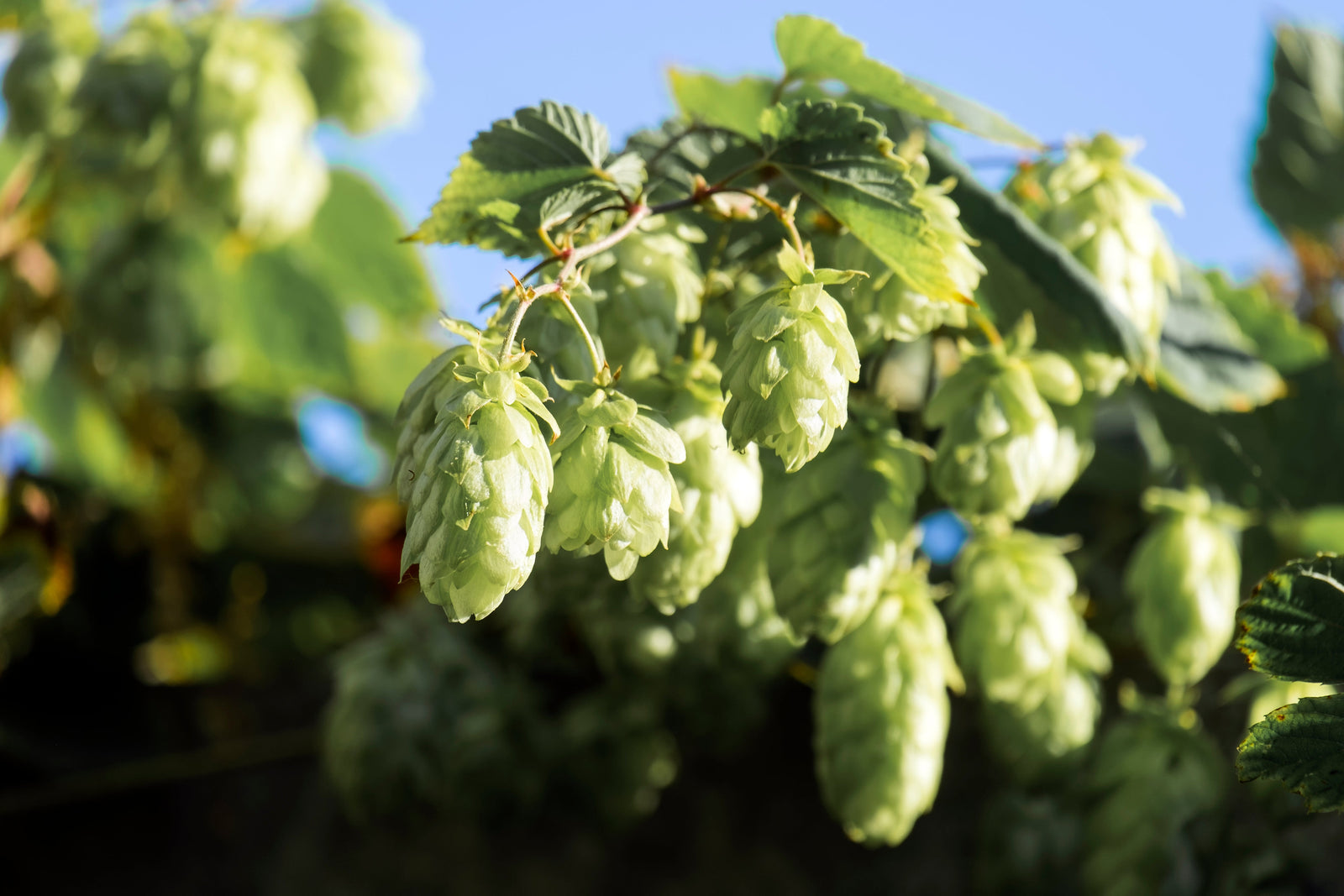

What Is the Humulene Terpene?
The botanical terpene humulene, pronounced hyoo-muh-leen, is a natural compound found in cannabis and hemp, as well as other plants such as hops, sunflowers, tobacco, orange, pine, cinnamon and clove. It’s not the most common cannabis terpene, but humulene has piqued the interest of researchers thanks to some of the unique effects it has shown in isolation and when combined with common cannabinoids like cannabidiol (CBD).
For example, a 2021 review published in Pharmacological Reviews noted that a group of cannabis terpenes—“β-myrcene, α-pinene, limonene, and linalool, as well as the sesquiterpenes β-caryophyllene and α-humulene”—“may contribute to many pharmacological properties of cannabis, including anti-inflammatory and antinociceptive effects.”
But let’s take a step back. You might be wondering, “what are terpenes exactly, and what does ‘antinociceptive’ mean?”
Terpenes are compounds commonly found in a variety of botanical essential oils that interact with receptors throughout your body that can influence your nervous, digestive and endocannabinoid systems, amongst others. Terpenes are similar to cannabinoids in this way, but they have distinct aromatic qualities as well.
While humulene is chemically similar to one of the most common cannabis terpenes, β-caryophyllene, it has its own distinct effects and scent profile of funky, grassy notes. Think of the sharp, floral, slightly bitter flavor of IPA beers—you have humulene to thank for some of that signature sensory profile. But humulene has a lot more to offer than a distinctive pungency.
What Effects Are Associated With the Humulene Terpene?
In laboratory research, humulene has demonstrated anti-inflammatory properties in mammals. Of note, research on mice showed that humulene reduced swelling and inflammation from histamine reactions and allergic airway inflammation. In that second study, humulene given either orally or by aerosol reduced the recruitment of inflammatory cells to the airways.
Humulene is also of interest to researchers as a potential pain-reliever. To understand the research into how humulene might reduce pain, it’s helpful to understand some key terms:
- Anaesthetic refers to substances that reduce pain, but may result in a loss of sensation or consciousness in the process. Anesthesia can refer to whole-body general anesthesia, like what doctors use for major surgery, as well as local anesthetics, like when a dentist uses a numbing agent before filling a cavity.
- Analgesic refers to any substance that reduces pain without inducing unconsciousness. There are a wide range of analgesic products on the market, from over-the-counter (OTC) aspirin, acetaminophen and nonsteroidal anti-inflammatory drugs (NSAIDs) to prescription opioids.
- Antinociceptive refers to a specific type of pain reliever that functions by blocking the nervous system from detecting painful stimuli. Antinociceptives can range from the OTC lidocaine used to take the sting off scraped knees or a sore throat spray, to powerful morphine and fentanyl, which block pain receptors in the nervous system.
It’s worth being precise about what the research does and doesn’t show here. The same 2021 review notes that no study has yet tested purified humulene for antinociceptive activity, and that the analgesic and anti-inflammatory findings to date come from essential oils in which humulene appears alongside other terpenes. What that means in practice is that humulene’s promise sits in combination rather than in isolation—which happens to be exactly how it occurs in a full-spectrum formula.
What are the Benefits of the Humulene Terpene?
The role of humulene as it contributes to “the cannabis entourage effect” is an important one. The entourage effect is a term that describes how cannabinoids and terpenes work together to create unique compound effects that are different from those produced by any terpene or cannabinoid acting in isolation.
It is worth noting that much cannabis research is still in preliminary stages. As the authors of a 2024 research review were quick to spotlight: “[M]ost available data come from preclinical studies conducted using animal models or in vitro experiments.”
That said, the direction of the research is promising. The endocannabinoid system is itself involved in how the body regulates pain signalling, and the 2021 review frames cannabis terpenes as potential contributors to that pathway when they occur alongside cannabinoids like THC, CBD, CBN and CBG—the combination rather than any single compound acting on its own.
Full-spectrum CBD topicals that also contain humulene deliver that fuller terpene profile rather than CBD alone—and won’t yield the intoxicating effects of high-THC products or prescription opioids, and come without the numbing sensation of menthol or camphor. Next time you’re shopping for a CBD salve, cream or lotion, look for one that names its terpenes rather than leaving them off the label.
Soothe Salve + is the gentlest of the three strengths in that line, and humulene is one of the more than fifty terpenes in the blend.
For the other terpene we build around, see the benefits of limonene.
Mentioned in this guide
Soothe Salve + is the 1000 MG strength in our CBD + Terpenes line. Humulene is one of the more than fifty botanical terpenes in that blend, alongside limonene, in a vegan base with no menthol or beeswax.