Your Cart is Empty

shop


CBD Essentials
CBD + Terpenes
CBD + Terpenes


Soothe Salve +
Serenity Salve +
Synergy Salve +
CBD Essentials


Soothe Salve
Serenity Salve
Synergy Salve
Are you 18+?
What Are the Benefits of the Limonene Terpene?
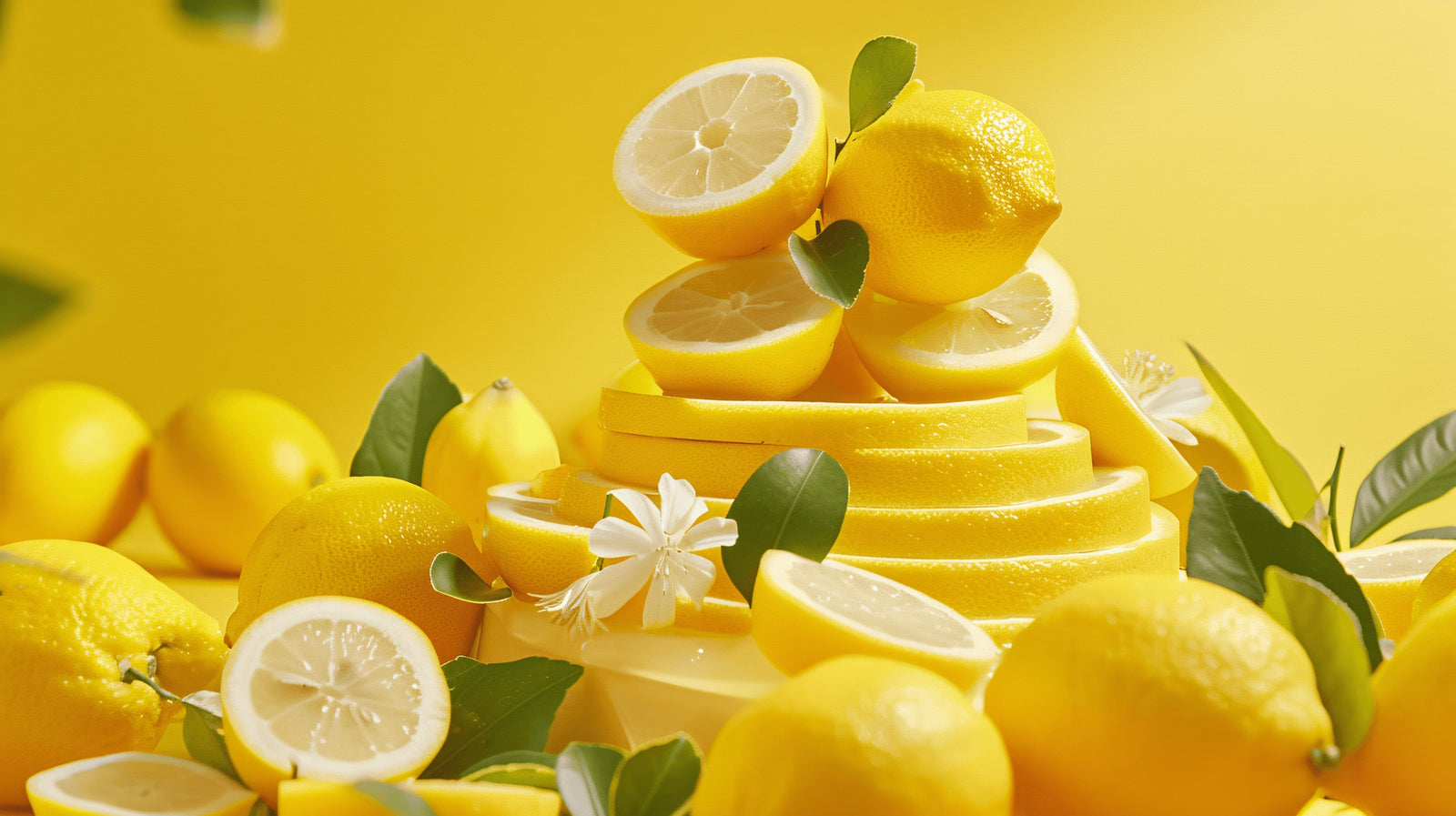

What is the Limonene Terpene?
Limonene, pronounced li-muh-neen, is a botanical terpene naturally found in cannabis and hemp, and a variety of other plants like citrus fruits, pine trees, dill, cumin, bergamot and caraway. Limonene is one of the terpenes that’s most common across plant species, along with the terpene pinene. Like other terpenes, limonene influences the way that plants—including cannabis—taste and smell, and it also produces unique physiological effects in humans and animals.
Limonene has a distinct scent—the quality we think of as citrusy, bright and refreshing. It’s that odor profile that makes limonene such a popular ingredient in cosmetics and household cleaning products. Next time you feel a little calmer after polishing your wood furniture or scrubbing a pan with lemon dish soap, you might have citrus essential oils to thank in addition to the satisfaction of a job well done—aromatherapy research has associated citrus essential oils, in which limonene is the dominant compound, with calming effects.
What Effects are Associated With the Limonene Terpene?
Limonene’s calming citrusy scent is just one of the effects of this terpene. To understand how limonene affects the body, it helps to knowwhat terpenes are and how they work. Terpenes like limonene interact with nearly all of the body’s major systems including the digestive, nervous, circulatory and respiratory systems. They also impact the endocannabinoid system, which is the physiological network that responds to the compounds and terpenes found in the cannabis plant.
The synergy between terpenes and cannabinoids is known asthe entourage effect—a term that refers to the way different compounds like cannabinoids and terpenes, when consumed together, create more pronounced effects than they would individually.
For example, limonene has been studied for itsneuroprotective potential in preclinical models of conditions including Alzheimer’s disease, multiple sclerosis, epilepsy, stroke and anxiety. And although cannabis is apopular choice for anxiety—one of the most common reasons people seek it out—the clinical evidence is still developing, and the cannabinoid THC is sometimes known to produce feelings of paranoia and nervousness. One recent controlled human study suggests that limonene canreduce THC-induced anxiety.
What are the Benefits of the Limonene Terpene?
Limonene has been studied for a range of other properties as well, including antioxidant, gastroprotective and pain-related effects, largely in animal models. How limonene behaves depends a great deal on how it is taken.Inhaling limonene—through zesting an orange, using lemon essential oils, or smoking cannabis—allows it to pass through the respiratory tract and into the bloodstream. Preclinical research has also shown limoneneinteracting with GABA receptors, one proposed route for its calming effects.
Limonene is also absorbed through the skin. A small human study oflimonene applied topically found it measurably bioavailable by that route, and separate research has shown that limonene taken orallyaccumulates in body fat. In animal studies, limonene has been shown toenhance the percutaneous absorption of other compounds, including the anti-inflammatory drug indomethacin.
Terpenes more broadly are well established aspenetration enhancers in transdermal delivery, which is part of why a full-spectrum formula behaves differently on the skin than an isolate. Limonene brings its own activity to that pairing:preclinical research has found that limonene reduces inflammatory signalling molecules including IL-1, IL-6 and TNF-α, alongside other common cannabis terpenes such as α-pinene and myrcene.
Wonderingwhat to look for in a CBD topical? The answer is terpenes—particularly limonene. Afull spectrum CBD salve with limonene terpene and other trace cannabinoids is formulated to work as a combination rather than a single isolated compound, unlike abroad-spectrum CBD or CBD isolate product without limonene. The way tochoose the best CBD cream is to find one that delivers strong concentrations of CBD and terpenes together, where you need it most.
It is worth checking what else is in the jar. Ourclean-topical standards rule out menthol, beeswax and synthetic fillers, so what reaches the skin is the CBD and the terpene blend rather than a counterirritant.Soothe Salve + is the gentlest of the three strengths in that line, and limonene is one of the terpenes in the blend.
Every Entourus salve uses full-spectrum CBD from non-GMO hemp grown in Central Oregon. Our CBD + Terpenes line adds a proprietary blend of more than fifty botanically derived terpenes, including limonene and humulene. Both topical lines come in 1000, 1500 and 2000 MG per 50 ML jar.
To learn more about one of the other terpenes we use, see whathumulene brings to the blend.
Learn more about cannabis topicalson our FAQ.
Mentioned in this guide
Soothe Salve + is the 1000 MG strength in our CBD + Terpenes line. Limonene is one of the more than fifty botanical terpenes in that blend, alongside humulene, in a vegan base with no menthol or beeswax.