Your Cart is Empty

shop


CBD Essentials
CBD + Terpenes
CBD + Terpenes


Soothe Salve +
Serenity Salve +
Synergy Salve +
CBD Essentials


Soothe Salve
Serenity Salve
Synergy Salve
Are you 18+?
The Best CBD Products for Working Out: Recovery & Increased Performance with Entourus
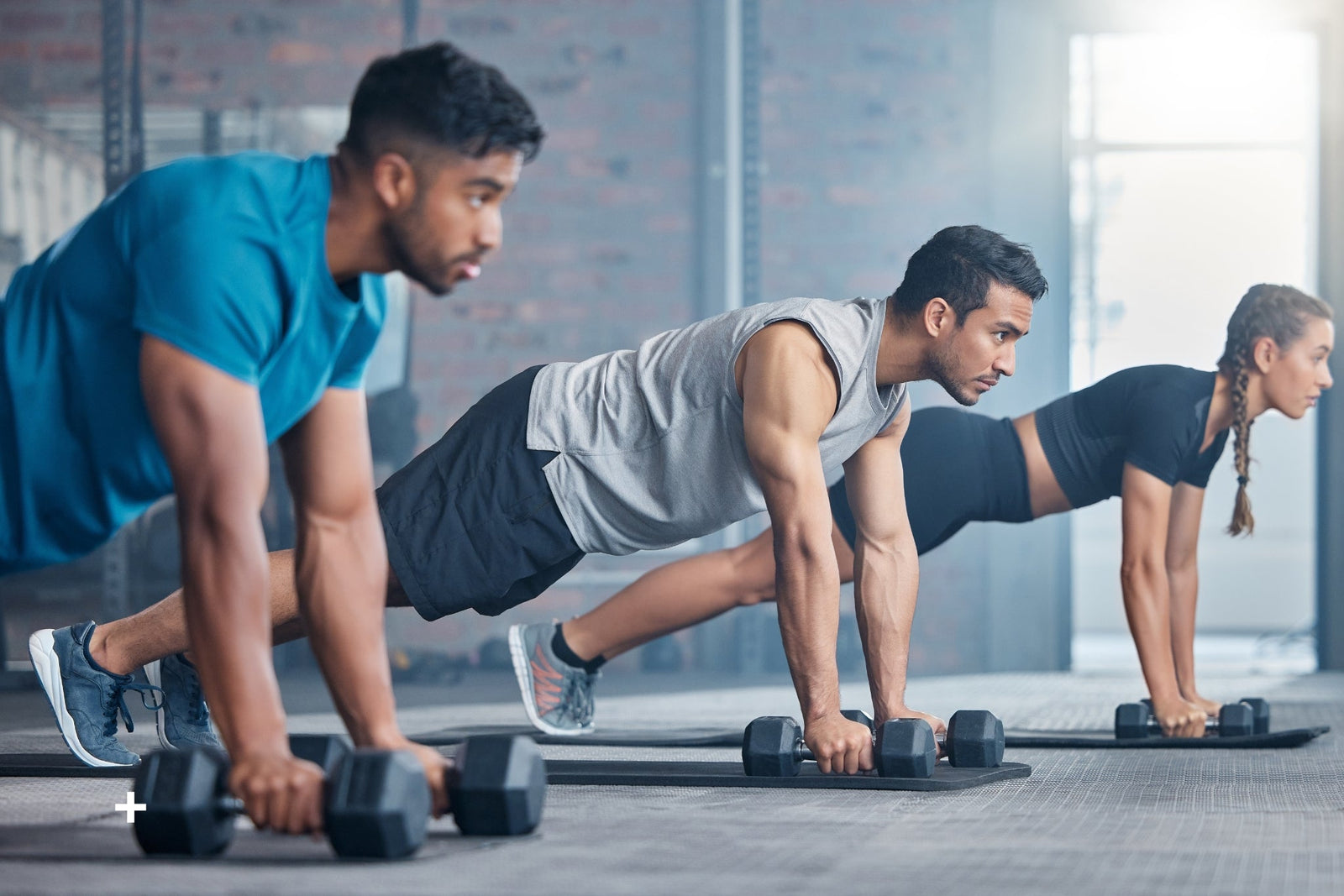

When it comes to your workout routine and what happens afterwards, the right kit makes a difference. Protein shakes, foam rollers and compression gear are the familiar options; CBD topicals have become another one. Full-spectrum salves and body oils have gained traction among people who train, and this article covers what they are, what the research does and doesn’t currently show, and how to use one sensibly.
Why CBD for Working Out?
CBD, or cannabidiol, is one of many compounds found in hemp. It is non-intoxicating — unlike its cannabinoid cousin THC, it will not make you feel “high” — and it acts on the endocannabinoid system, a network of receptors involved in keeping the body’s processes in balance. That network runs through the skin too: cannabinoid signalling in the skin has been reviewed as part of how the skin maintains homeostasis and barrier function.
The practical case for a topical after training is simpler than the pharmacology. The areas that take the load are usually specific — quads after leg day, shoulders after pressing, calves after a long run — and a salve or oil goes on those areas rather than moving through your whole system. That is the difference between a topical and something you swallow, and it is the reason the format suits training at all.
What the Research Actually Shows
This is where most of the category oversells, so here is the honest version.
People who train and use cannabis do believe it helps them recover. In a 2023 survey of 111 regular exercisers who use cannabis, 93% said they felt CBD aided their recovery. Two caveats matter and the authors state both: the respondents were recruited because they already use cannabis, and the connection is, in the paper’s own word, anecdotal. Worth knowing too that only 7% of the CBD use reported was topical — most was eaten, vaped or smoked.
The wider picture is similar. A 2023 opinion article on cannabidiol in sport sets out the areas of interest — sleep, stress before competition, inflammation after exertion — and is direct about the state of play: more scientific evidence is needed to confirm these effects, and randomised placebo-controlled trials are necessary. It is a commentary rather than a systematic review, and should be read as one.
And on topicals specifically, the evidence is thinnest of all. The one systematic review devoted to topical and transdermal CBD trials screened 544 papers, found only a handful of human studies, and concluded that new clinical trials are urgently needed.
So: a real area of research, genuinely unfinished. We would rather tell you that than pretend otherwise.
What Sets Entourus Apart
Entourus was founded to make topicals we would actually want to use ourselves. What that means in practice:
Full-spectrum, not isolate. Our extracts carry the minor cannabinoids, terpenes and flavonoids that came with the plant rather than cannabidiol on its own. Whether those compounds behave differently in company than in isolation — the entourage effect — is an active and unsettled question in the research, and it is the reason we formulate around the whole extract.
A base chosen deliberately. Cannabinoids and terpenes are fat soluble, so the carrier matters. We selected organic oils and butters that sit low on the comedogenic scale and feel right on skin rather than greasy. Our clean topical standards rule out menthol, beeswax and synthetic fillers.
Sourced and packaged with care. Non-GMO hemp grown in the USA, UV-protected packaging to preserve potency, and third-party lab results you can pull up by scanning the QR code on the label.
Two lines, three strengths. CBD Essentials and CBD + Terpenes, each at 1000, 1500 and 2000 MG per 50 ML jar, so you can pick by coverage area and preference rather than by marketing.
Choosing the Right Product for Training
Format is mostly a question of surface area. A body oil spreads across large muscle groups easily and absorbs without a heavy residue, which makes Synergy Body Oil + (30ML) the sensible choice post-session — quads, hamstrings, shoulders, back. A salve is thicker and better suited to a specific spot: a knee, an elbow, the base of the thumb.
If you are new to this and would rather not commit to a full jar, the CBD Salve Sample Bundle is the $25 way to try the three strengths side by side and work out what suits you.
Making It Part of the Routine
The recovery habits that help are the ones people repeat. Working an oil into your legs after a session takes two minutes, needs no equipment, and slots in next to stretching and hydration rather than competing with them.
Apply it where you actually worked, reapply when you want to, and build it into the rest of a sensible cool-down — hydration, stretching, a proper meal, actual sleep. Our active recovery guide puts that sequence in order.
The same logic runs across activities. We have written separately about choosing a CBD topical for running and about how to use CBD muscle cream, both of which go deeper on application.
Every Entourus salve uses full-spectrum CBD from non-GMO hemp grown in Central Oregon. Our CBD + Terpenes line adds a proprietary blend of more than fifty botanically derived terpenes, including limonene and humulene. Both lines come in 1000, 1500 and 2000 MG per 50 ML jar.
Learn more about cannabis topicals on our FAQ.
Mentioned in this guide
Synergy Body Oil + (30ML) is the travel-size bottle in our CBD + Terpenes line — built for large muscle groups, which is what most of you is after a hard session.