Your Cart is Empty

shop


CBD Essentials
CBD + Terpenes
CBD + Terpenes


Soothe Salve +
Serenity Salve +
Synergy Salve +
CBD Essentials


Soothe Salve
Serenity Salve
Synergy Salve
Are you 18+?
Best CBD Cream for Leg Nerve Pain: A Science-Based Guide
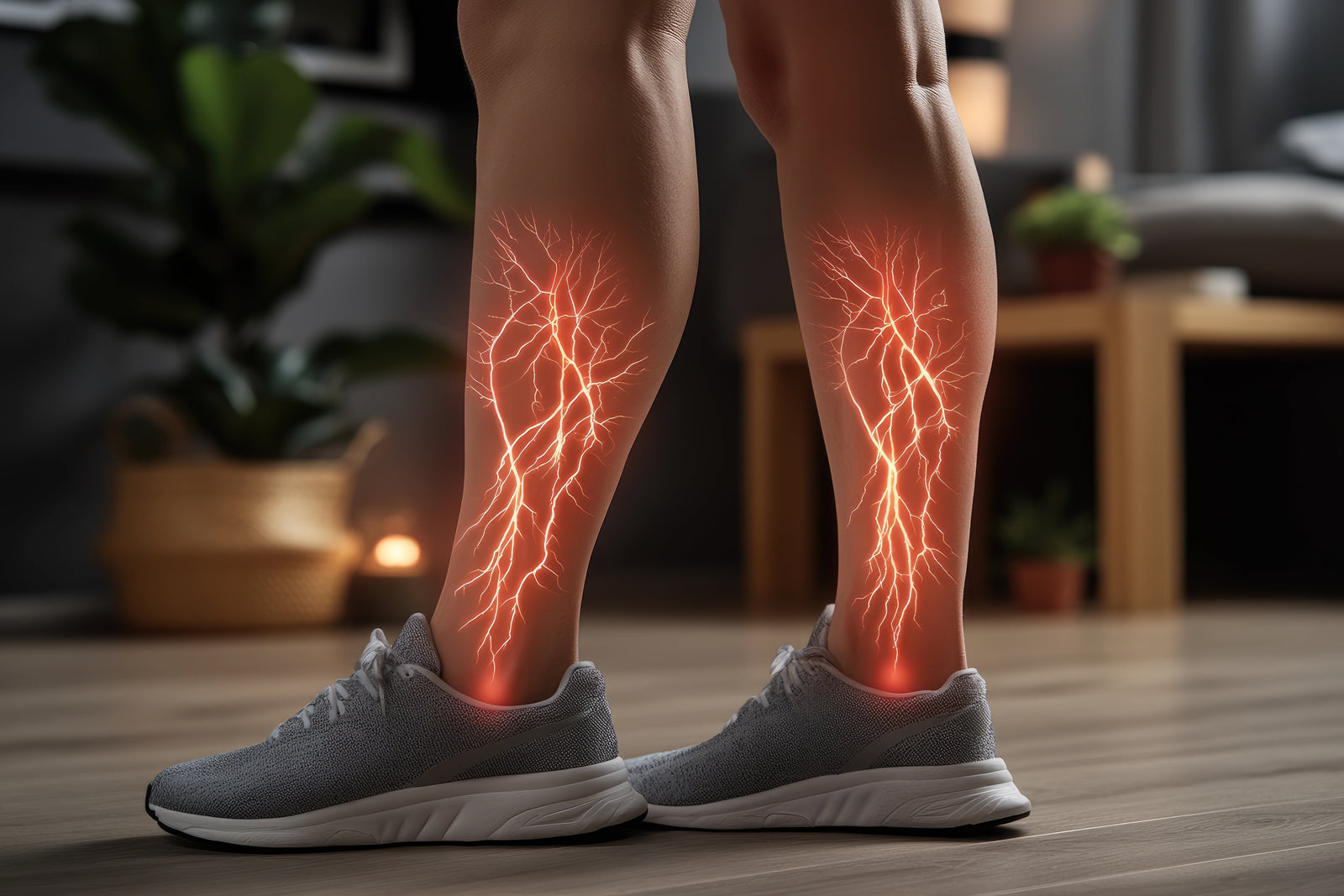

Nerve pain, also known as neuropathic pain, affects millions worldwide and can significantly impact daily life. Globally, 7% to 10% of the population experiences neuropathic pain caused by a lesion or disease of the somatosensory system, with prevalence increasing in older adults and individuals with disabilities.
Neuropathic pain—often described as burning, tingling, or shooting sensations—arises from damage or dysfunction in the nervous system. It is distinct from nociceptive pain, which results from physical injury or inflammation to tissues that can cause discomfort that’s sharp, aching, or throbbing. Arthritis, for example, often produces nociceptive pain sensations, as can repetitive motions, strains or injuries from sports like pickleball, golf, skiing, fitness workouts or even everyday activities. That kind of joint discomfort is a different problem from nerve pain—our guide to CBD cream for knee pain covers what the science actually says about it.
Nerve pain can affect various parts of the body, including the legs, feet, arms, hands, and back. Leg nerve pain, in particular, is linked to conditions such as diabetic neuropathy and sciatica—the latter common enough that many adults will experience a pinched or compressed sciatic nerve at some point in their lives.
Persistent discomfort of any kind can limit daily activities. Our CBD + Terpenes line — Soothe Salve +, Serenity Salve + and Synergy Salve + — pairs full-spectrum hemp extract with specially formulated terpene blends.
While our CBD topicals are helpful for alleviating some neuropathic symptoms, we still strongly recommend seeing a health care professional for further diagnostic workup to evaluate for etiology of central versus peripheral neuropathy, which may require additional medical or surgical management.
Are Topical Analgesics for Nerve Pain Effective?
Because of the complexity of the nervous system and the way neuropathic pain overlaps with inflammatory and nociceptive pain, it can be challenging to relieve symptoms and often does not respond well to standard systemic OTC painkillers like ibuprofen or acetaminophen.
This is one reason topical analgesics have become increasingly popular for nerve pain. Although systemic medications such as muscle relaxers and anticonvulsants are often prescribed, many people turn to topical remedies to provide targeted relief. These can be used alone or in combination with oral medications, physical therapy, nerve blocks, or alternative therapies.
Some well-known topical analgesics for nerve pain include:
-
CBD Salves, Creams and Lotions: CBD products are available without a prescription, present few side effects and can be used alone or as a complement to more traditional medications like oral analgesics. These CBD products are used to ease inflammation and localized discomfort by engaging receptors in the body’s endocannabinoid system. Look for full-spectrum CBD or full spectrum CBD with terpenes for added benefits.
-
Lidocaine: A local anesthetic that numbs pain by blocking nerve signals.
-
Capsaicin Cream: Derived from chili peppers, capsaicin depletes substance P, a neurotransmitter that carries pain signals.
-
Diclofenac Gel (aka Voltaren Gel): A topical NSAID that reduces inflammation.
-
Counterirritants like menthol or methyl salicylate: These produce a cooling or heating effect that distracts from pain.
-
Compounded Topicals: Custom formulations with medications like ketamine, gabapentin and amitriptyline.
You may also like: How to Use CBD Muscle Cream and CBD Topicals for Neuropathy: What the Research Shows
Why Consider Plant-Based CBD Salve?
Natural, plant-based CBD creams and salves have become increasingly popular for addressing nerve discomfort and supporting overall wellness.
Many individuals are drawn to plant-based topicals because they offer a more natural, non-invasive way to support comfort and wellness. CBD creams and salves, in particular, provide targeted application to localized areas of discomfort and may help minimize reliance on systemic medications.
How CBD and Terpenes Work Together
CBD, or cannabidiol, is a naturally occurring compound derived from cannabis and hemp plants that interacts with the body’s endocannabinoid system (ECS). The ECS plays a role in maintaining balance in various bodily processes, including those related to discomfort and inflammation. When applied topically, CBD interacts with localized ECS receptors to offer soothing effects.
Terpenes, aromatic compounds found in many plants, including hemp, are thought to enhance CBD’s natural effects. This phenomenon, called the “entourage effect,” amplifies the potential benefits of CBD. For instance, terpenes like β-caryophyllene and linalool have been studied for their calming and anti-inflammatory properties, making them valuable additions to topical formulations.
Why Choose Entourus CBD Cream for Leg Nerve Pain?
-
Direct Impact on Pain Pathways
How does CBD affect the endocannabinoid system? Research suggests CBD interacts with the body’s endocannabinoid system (ECS) to help reduce inflammation and desensitize overactive pain receptors. Combined with carefully chosen terpenes in our formulation, our proprietary terpene blend is formulated to complement those effects. -
Localized Relief Without Systemic Side Effects
Unlike oral medications, all of our topical CBD with terpenes formulations deliver relief exactly where it’s needed. This targeted application keeps the active ingredients where you put them. -
Enhanced by Terpenes for Maximum Effect
How do terpenes affect the endocannabinoid system? Research suggests that terpenes like humulene and limonene may help reduce inflammation, and that they can work synergistically with cannabinoids. That is the reasoning behind pairing the two rather than using CBD or terpenes alone.
The Entourus CBD + Terpenes Difference
When choosing a CBD cream for nerve pain, you need a solution that’s backed by science and optimized for effectiveness. Here’s why Entourus CBD topicals deliver:
-
Full-Spectrum CBD: Contains the complete array of cannabinoids for maximum interaction with the ECS.
-
Proprietary Terpene Blend: Specifically selected terpenes chosen to complement CBD.
-
Natural Ingredients: Non-GMO, hemp-derived CBD paired with organic oils supports deep absorption.
Unlike other products, our formulations were designed with one goal in mind: targeted, localized comfort. For legs and calves in particular, Synergy Body Oil + (50ML) spreads across an area a salve cannot practically cover.
Disclaimer: These statements have not been evaluated by the Food and Drug Administration. This product is not intended to diagnose, treat, cure, or prevent any disease.
Mentioned in this guide
Synergy Body Oil + (50ML) is our largest-coverage format in the CBD + Terpenes line — full-spectrum hemp from Central Oregon with a proprietary blend of fifty botanical terpenes, in a pourable oil built for legs, calves and other broad areas.