Your Cart is Empty

shop


CBD Essentials
CBD + Terpenes
CBD + Terpenes


Soothe Salve +
Serenity Salve +
Synergy Salve +
CBD Essentials


Soothe Salve
Serenity Salve
Synergy Salve
Are you 18+?
CBD for Mindfulness and Meditation
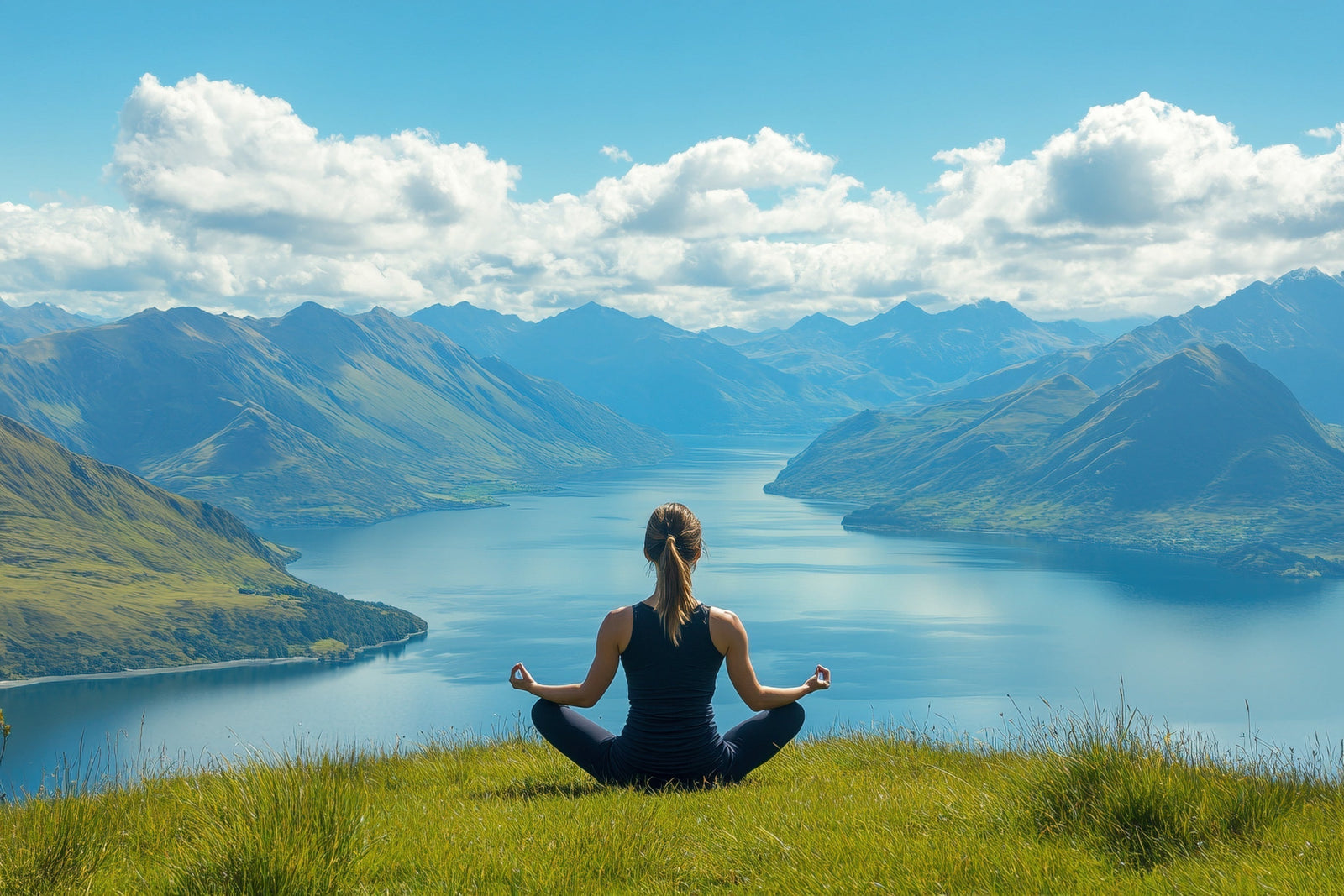

The pursuit of mindfulness has ancient roots—and modern applications. Both yoga and cannabis trace their origins to Asia and the Indian subcontinent, where they were used for centuries in spiritual and wellness practices. Today, these traditions are finding new relevance as people seek relief from unprecedented levels of stress and anxiety.
Among these intersecting wellness trends, practitioners are discovering a powerful synergy: CBD (cannabidiol), the non-intoxicating compound found in hemp and cannabis plants, has abilities that enhance traditional mindfulness practices. While our ancestors might not have predicted this modern partnership, the combination of CBD's balancing properties with ancient mindfulness techniques are helping today's practitioners achieve deeper states of presence and calm.
Understanding the Mind-Body Connection
Mindfulness practices work by strengthening the connection between mind and body, helping practitioners become more aware of present-moment experiences. This heightened awareness can lead to reduced stress, improved focus and better emotional regulation. CBD works similarly, interacting with the body's endocannabinoid system, which plays a crucial role in maintaining balance across various bodily functions, including mood, stress response and physical comfort.
The Science Behind CBD and Mindfulness
Research suggests that CBD may influence serotonin receptors, which play a role in mood regulation and stress response. This interaction could explain why many practitioners report feeling more grounded and present when combining CBD with mindfulness exercises. Additionally, CBD's effectiveness is significantly enhanced when combined with other natural compounds found in the hemp plant—particularly terpenes and other cannabinoids.
This synergistic relationship, known as the "entourage effect," is why full-spectrum CBD products often provide more comprehensive benefits than CBD isolate. Studies indicate that terpenes—the aromatic compounds found in hemp and other plants—contribute their own therapeutic properties while also enhancing CBD's effectiveness. For example, beta-caryophyllene, a terpene present in full-spectrum hemp extracts, has been shown to interact directly with the endocannabinoid system, potentially amplifying CBD's calming effects.
CBD's Role in Mindfulness Practices
When incorporated thoughtfully, CBD can complement mindfulness practices in several ways:
The compound's interaction with the endocannabinoid system may help quiet the mental chatter that often disrupts meditation. For yoga practitioners, CBD topicals can ease physical tension that might otherwise distract from the practice. This synergistic relationship between CBD and mindfulness practices creates what many users describe as an enhanced state of presence and calm.
Incorporating CBD Into Your Yoga Practice
CBD can support your yoga journey from beginning to end. Before you roll out the mat, apply CBD salve to tight muscles before practice to help prepare the body for movement. Focus on areas that typically hold tension, such as:
-
The neck and shoulders, where stress often accumulates—especially in an era when smartphone use contributes to tech neck as well as anxiety and mindless scrolling.
-
The lower back—an area where millions of people experience chronic pain and for which yoga has proven effective both clinically and anecdotally.
-
Major joints that will be engaged during your flow, such as the knees before Chair Pose or the shoulders before Thread The Needle Pose (Urdhva Mukha Pasasana).
If most of that upper-body tension arrives from screen work rather than from the mat, our desk relief guide is aimed squarely at that pattern—and when the same neck and shoulder tightness starts to travel upward, our notes on tension in the head and neck cover the same application points.
During your practice, maintain awareness of how your body responds to both the movement and the CBD's effects. Not only can CBD reduce physical discomfort that can be distracting during movement, the effects of CBD themselves can be a focal point for meditation. When you tune into your body, focus on what feels different from the day before or even an hour before. How is the CBD and the movement shifting your ability to be present and meet your intentions?
Meditation and CBD: Finding Your Center
For meditation practitioners, CBD can help create an environment conducive to stillness. Consider applying CBD salve as part of your pre-meditation ritual, using the application process itself as a mindful moment as you focus on your body. The act of massaging CBD into tense areas can serve as a transition from daily activities to your meditation practice.
Choosing the Right CBD Products for Mindfulness
When incorporating CBD salve into your wellness routine, remember that not all CBD products are created equal.
Full-spectrum CBD products contain the complete range of beneficial compounds found in hemp, including trace amounts of THC and other minor cannabinoids that work together through the entourage effect. This comprehensive approach often provides better results than CBD isolate alone.
Terpenes, the aromatic compounds found in plants, play a crucial role in enhancing CBD's effects. What should you look for in a CBD topical? Certainly the highest quality CBD salves include calming terpenes like:
-
Limonene, known for its uplifting properties
-
Linalool, associated with relaxation
-
Humulene, which may help reduce physical tension
That combination is the whole idea behind our CBD + Terpenes line, which pairs full-spectrum hemp extract with a proprietary blend of more than fifty botanically derived terpenes.
How to Use CBD for Meditation and Mindfulness
While CBD is generally well tolerated, mindfulness is about listening to your body. Start with a small amount of CBD and adjust based on your experience. Pay attention to how different concentrations affect your practice, and remember that consistency often yields the best results. Our comprehensive guide to CBD salves goes deeper on application and building a habit that sticks.
Creating a CBD-Enhanced Mindfulness Routine
Morning Practice:
1. Begin by gently massaging in your CBD salve to any areas experiencing physical tension
2. Allow 15-20 minutes for absorption before starting your practice
3. Set your intention for the session
4. Move through your yoga flow or meditation with awareness of both body and breath
Evening Practice:
1. Apply CBD salve as part of your wind-down routine
2. Focus on areas that hold the day's stress
3. Practice gentle yoga or meditation to transition toward rest
4. Consider a final application before sleep to support overnight muscle recovery
If the evening version is the one you want to build first, our evening ritual guide walks through the same four steps with the salves and body oils suited to winding down.
Looking Forward: The Future of CBD in Mindfulness Practices
As more people discover the benefits of combining CBD with mindfulness practices, we're seeing increased integration in wellness spaces. From yoga studios offering CBD-enhanced classes to meditation centers incorporating CBD education, the intersection of CBD into techniques for greater presence continues to evolve.
Whether you're new to mindfulness or a seasoned practitioner, CBD topicals can help deepen your practice.
Every Entourus salve uses full-spectrum CBD from non-GMO hemp grown in Central Oregon. Our CBD + Terpenes line adds a proprietary blend of more than fifty botanically derived terpenes, including limonene and humulene. Both lines come in 1000, 1500 and 2000 MG per 50 ML jar. Serenity Salve + is the 1500 MG middle strength, and the one most people reach for when they want enough to cover shoulders and lower back in a single sitting.
Learn more about cannabis topicals on our FAQ.
Mentioned in this guide
Serenity Salve + is the 1500 MG middle strength in our CBD + Terpenes line — full-spectrum hemp from Central Oregon with a proprietary blend of fifty botanical terpenes, in a vegan base with no menthol or beeswax.